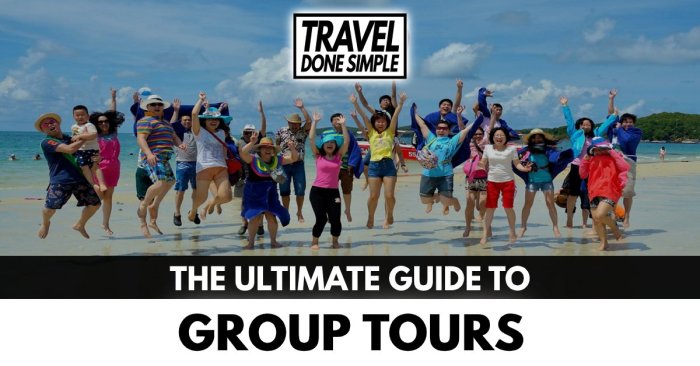
Small Group Tours vs Large Group Tours sets the stage for this enthralling narrative, offering readers a glimpse into a story that is rich in detail with casual formal language style and brimming with originality from the outset.
When it comes to embarking on a travel adventure, the choice between small group tours and large group tours can greatly impact your experience. Let’s explore the advantages of each and discover which group size suits your travel style best.
Small Group Tours vs Large Group Tours

When deciding between small group tours and large group tours, there are several factors to consider that can greatly impact your overall travel experience.
Advantages of Small Group Tours over Large Group Tours
- Intimate and personalized experience with more one-on-one interaction with guides
- Flexibility to explore off-the-beaten-path destinations and tailor the itinerary to group preferences
- Quicker and easier decision-making process with fewer people
- Opportunity to build stronger connections with fellow travelers
Benefits of Large Group Tours compared to Small Group Tours
- Potentially lower cost per person due to economies of scale
- Access to more amenities and services, such as larger tour buses and exclusive group discounts
- Ability to visit popular attractions with a larger group, enhancing the social aspect of the tour
- Greater availability of scheduled departure dates for popular destinations
Destinations Suitable for Small Group Tours
Destinations that are best experienced through small group tours include:
- The Galapagos Islands for a more intimate wildlife encounter
- Cinque Terre in Italy to navigate the picturesque coastal villages with ease
- Patagonia in Chile and Argentina for a closer connection to the stunning natural landscapes
Tour Experience Differences based on Group Size
- In small group tours, travelers can enjoy more in-depth discussions with guides and have a more personalized experience
- Large group tours may offer a more social environment with a diverse group of travelers and more structured itineraries
- Group size can impact the level of engagement, pace of travel, and overall dynamics during the tour
Functional Spaces
In interior design, functional spaces refer to areas within a room or home that are designed to serve specific purposes efficiently. Maximizing functional spaces is crucial, especially in small rooms, to make the most of the available space and create a comfortable living environment.
Tips for Maximizing Functional Spaces in a Small Room
- Utilize vertical space by installing shelves or wall-mounted storage units to free up floor space.
- Choose furniture with built-in storage options, such as ottomans with hidden compartments or beds with drawers underneath.
- Opt for furniture that can serve multiple purposes, such as a dining table that can also be used as a desk.
- Keep the room clutter-free by regularly decluttering and organizing belongings.
Importance of Multifunctional Furniture
Multifunctional furniture plays a significant role in creating functional spaces, especially in small homes or rooms with limited square footage. Pieces like sofa beds, convertible coffee tables, and nesting tables provide versatility and flexibility, allowing you to adapt your living space to different needs and activities.
Innovative Ways to Divide Functional Spaces
- Use room dividers, such as sliding doors, curtains, or bookshelves, to separate different functional areas within a room.
- Define spaces with rugs or different flooring materials to visually distinguish one area from another.
- Create visual separation using paint or wallpaper to delineate specific zones for various activities.
- Opt for furniture arrangements that naturally divide the room, like placing a sofa back-to-back with a dining table to separate the living and dining areas.
Garden Ideas
When it comes to small outdoor spaces, getting creative with your garden design can make a big difference. From vertical gardening to low-maintenance options, there are plenty of ways to maximize your space and create a beautiful outdoor oasis.
Vertical Gardening
Vertical gardening is a great way to make the most of limited space. By growing plants upwards on trellises, walls, or hanging baskets, you can add greenery without taking up valuable ground space. Consider planting climbing vines, herbs, or flowers that thrive in a vertical environment.
Low-Maintenance Design
Designing a low-maintenance garden is key for small spaces, as it reduces the need for constant upkeep. Opt for native plants that are well-suited to your climate and require minimal watering and pruning. Incorporate mulch to help retain moisture and suppress weeds, keeping your garden looking tidy with minimal effort.
Themed Gardens
Themed gardens add a unique touch to your outdoor space and can be a fun way to express your creativity. Choose a theme that reflects your interests, such as a culinary herb garden, a butterfly garden, or a Japanese zen garden. Incorporate elements like specific plant varieties, decor, and layout to bring your theme to life.
Interior Design
Interior design plays a crucial role in creating a harmonious and inviting atmosphere within a home. It involves the use of color schemes, lighting, textures, patterns, and overall design style to enhance the overall look and feel of a space.
Color Schemes in Interior Design
Color schemes can greatly impact the mood and ambiance of a room. Here are some tips on how to use color effectively in interior design:
- Choose a color palette that reflects the atmosphere you want to create. Warm colors like red, orange, and yellow can make a room feel cozy, while cool colors like blue and green can create a calming effect.
- Consider the natural light in the room when selecting colors. Dark colors absorb light and can make a room feel smaller, while light colors reflect light and can make a room feel more spacious.
- Use color accents to add visual interest and create focal points within a room.
Choosing the Right Lighting
Lighting is essential in interior design as it can affect the overall functionality and ambiance of a space. Here are some tips on how to choose the right lighting for different rooms:
- Consider the purpose of the room when selecting lighting fixtures. Task lighting is important in work areas, while ambient lighting can create a cozy atmosphere in living spaces.
- Combine different types of lighting, such as overhead lights, floor lamps, and table lamps, to create layers of light and enhance the overall design of a room.
- Use dimmer switches to adjust the brightness of the lights and create different moods within a room.
Impact of Textures and Patterns
Textures and patterns can add depth and visual interest to a room. Here are some ways to incorporate textures and patterns into your interior design:
- Mix different textures like wood, metal, glass, and fabric to create a dynamic and layered look.
- Use patterns sparingly to avoid overwhelming the space. Consider incorporating patterns through rugs, throw pillows, or wallpaper.
- Balance bold patterns with solid colors to create a cohesive and visually appealing design.
Creating a Cohesive Design Style
To create a cohesive design style throughout a home, consider the following tips:
- Choose a consistent color palette and design aesthetic that flows from room to room.
- Repeat key elements like colors, materials, or patterns to tie different spaces together.
- Use furniture and decor that complement each other and create a sense of unity within the home.
In conclusion, whether you prefer the intimacy of a small group tour or the energy of a large group tour, the key is to choose the option that aligns with your travel preferences and goals. Small Group Tours vs Large Group Tours sheds light on the nuances of group travel, helping you make informed decisions for your future adventures.
Frequently Asked Questions
Are small group tours more expensive than large group tours?
Small group tours can be pricier due to the personalized experience and smaller group size, but they often include more immersive activities and accommodations.
Do large group tours offer more itinerary options?
Large group tours tend to have more fixed itineraries with less flexibility compared to small group tours, which can tailor experiences to the group’s preferences.


