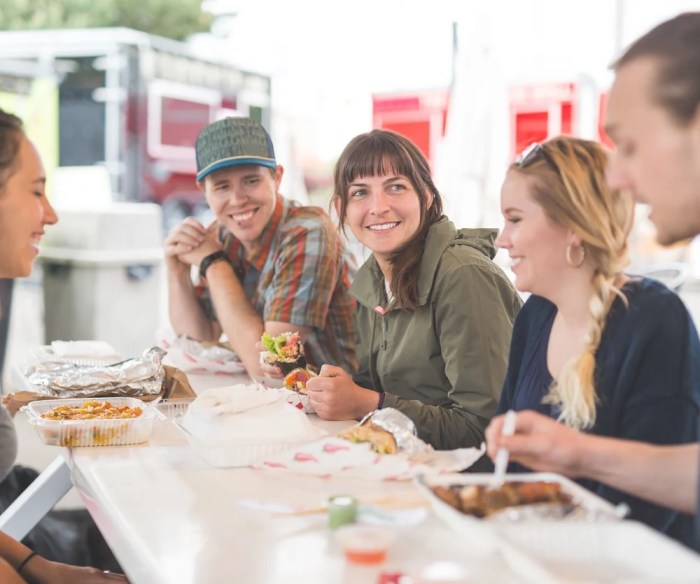
Embark on a culinary journey with Group Tours for Foodies, where every bite tells a story and every destination offers a new flavor experience. Discover the world of food exploration in a unique and exciting way, tailored for those who have a passion for gastronomy and adventure.
Learn about the benefits, popular destinations, and itineraries that make group tours for foodies a delectable choice for your next travel escapade.
Group Tours for Foodies
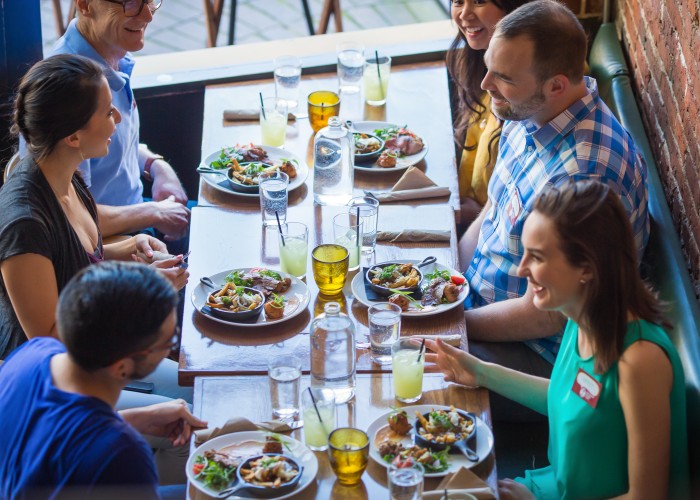
Group tours for foodies are curated travel experiences that focus on exploring local cuisine and culinary traditions. These tours offer a unique opportunity to immerse oneself in the culture of a destination through its food, providing a deeper understanding and appreciation of the local culinary scene.
Benefits of Joining Group Tours for Food Exploration
- Access to hidden food gems and off-the-beaten-path eateries that are not typically found in guidebooks.
- Opportunity to interact with local chefs, food artisans, and experts to learn about traditional cooking techniques and ingredients.
- Socializing with like-minded food enthusiasts and sharing memorable dining experiences together.
- Guided food tours ensure a hassle-free travel experience with all logistics taken care of, allowing participants to focus on enjoying the food.
Popular Destinations for Group Tours for Foodies
Some popular destinations for group tours for foodies include:
| Destination | Unique Culinary Experience |
|---|---|
| Italy | Indulge in authentic Italian pasta, pizza, and gelato while exploring local markets and vineyards. |
| Japan | Experience sushi-making classes, traditional tea ceremonies, and visit bustling food markets in Tokyo and Kyoto. |
| Spain | Sample a variety of tapas, paella, and Spanish wines while discovering the rich culinary heritage of regions like Catalonia and Andalusia. |
Typical Itinerary of a Group Tour for Foodies
- Day 1: Arrival and welcome dinner featuring local specialties.
- Day 2: Morning market visit followed by a cooking class to learn regional dishes.
- Day 3: Food tasting tour of iconic eateries and street food stalls in the city.
- Day 4: Excursion to a nearby food-producing region for farm visits and wine tasting.
- Day 5: Farewell brunch with a showcase of the best dishes experienced during the tour.
Functional Spaces
Creating functional spaces within a home is essential for maximizing efficiency and productivity. By optimizing space and organizing it effectively, you can ensure that each area serves its purpose well. Here are some tips and insights on designing functional spaces:
Optimizing Space for Functionality
- Utilize vertical space with shelves or storage units to free up floor space.
- Consider multifunctional furniture pieces that serve more than one purpose.
- Keep pathways clear to ensure easy movement and access to different areas.
Organizing for Productivity
- Create designated zones for specific activities to streamline tasks.
- Use organizers like bins, baskets, and drawer dividers to keep items organized and easily accessible.
- Label containers and storage areas to quickly identify contents and maintain order.
Maximizing Layouts for Functionality
- Open floor plans can create a sense of spaciousness and flexibility in a home.
- Consider furniture placement to optimize traffic flow and functionality in each room.
- Use mirrors to reflect light and create the illusion of a larger space.
Garden Ideas
When it comes to designing a garden, there are endless possibilities to explore. Whether you have a small balcony or a sprawling backyard, incorporating creative elements can transform your outdoor space into a beautiful and functional oasis.
From seating areas to pathways and plants, each element plays a vital role in creating a cohesive and inviting garden. Let’s delve into some garden ideas that can inspire you to design your own outdoor paradise.
Themed Gardens
- Create a tranquil Japanese garden by incorporating zen elements like rock gardens, bamboo fences, and water features.
- Opt for a colorful and vibrant flower garden with a variety of blooms that attract butterflies and bees.
- Embrace a modern garden design with clean lines, minimalistic decor, and a focus on architectural plants.
- Consider a sustainable garden with native plants, composting areas, and rainwater harvesting systems.
Interior Design
Interior design plays a crucial role in creating functional yet aesthetically pleasing spaces. By following certain principles and trends, one can maximize space and ensure that the design not only looks good but also serves its purpose effectively.
Principles of Interior Design
- Balance: Achieving a sense of equilibrium in a space by distributing visual weight evenly.
- Harmony: Ensuring all elements work together cohesively to create a unified look.
- Proportion: Maintaining the right scale and size of furniture and decor elements relative to the space.
- Rhythm: Establishing a flow and movement throughout the space to guide the eye smoothly.
- Contrast: Using differences in color, texture, or shape to create visual interest.
Trends in Interior Design
- Multi-functional furniture: Pieces that serve dual purposes to maximize space usage.
- Minimalism: Simplifying design elements to create a clean and clutter-free look.
- Biophilic design: Incorporating natural elements like plants to bring the outdoors inside.
- Smart home technology: Integrating tech-savvy solutions for convenience and efficiency.
Role of Lighting, Color Schemes, and Furniture Placement
- Lighting: Proper lighting can enhance the mood and functionality of a space, with options for ambient, task, and accent lighting.
- Color Schemes: Colors can affect the perception of space, with lighter hues making rooms feel larger and darker colors adding coziness.
- Furniture Placement: Strategic arrangement of furniture can optimize flow and function within a room, considering traffic patterns and focal points.
Tips for Achieving Cohesive Interior Design Style
- Choose a consistent color palette and stick to it throughout the space.
- Mix textures and materials to add depth and visual interest to the design.
- Consider the overall theme or style you want to achieve and select furniture and decor items that align with it.
- Use rugs, artwork, and other accessories to tie the room together and create a cohesive look.
Indulge in the flavors of Group Tours for Foodies and savor the memories created through shared culinary experiences. From hidden local gems to renowned food capitals, these tours offer a feast for the senses and a journey for the soul.
FAQ Corner
What sets group tours for foodies apart from regular tours?
Group tours for foodies focus specifically on culinary experiences, offering unique tastings, cooking classes, and food-related activities that regular tours may not include.
How do I choose the right group tour for food exploration?
Consider factors such as the types of cuisine offered, the level of culinary immersion, group size, and the expertise of guides to find the perfect foodie tour for your preferences.
Are dietary restrictions accommodated on group tours for foodies?
Most group tours for foodies are able to accommodate dietary restrictions with advance notice. It’s important to communicate your needs to the tour organizers beforehand.
What should I pack for a group tour for foodies?
Be sure to pack comfortable clothing and shoes, a reusable water bottle, camera or smartphone for food photos, and any necessary medications or snacks for the journey.


