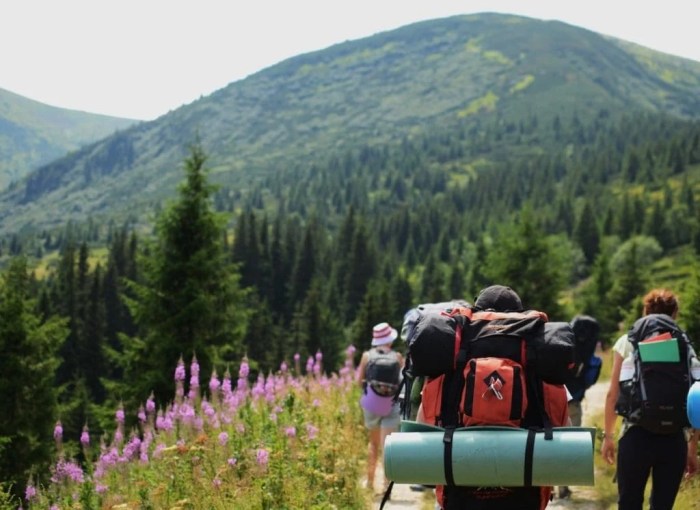
Embark on a journey through Eco-Friendly Group Tours, where sustainable practices meet adventure, creating unforgettable experiences for travelers seeking to explore the world responsibly. Dive into the realm of eco-conscious travel and discover how group tours can make a positive impact on the environment while offering enriching experiences for participants.
Explore the key components of eco-friendly group tours, from functional spaces to sustainable garden ideas, and delve into the realm of eco-friendly interior design principles that elevate the overall tour experience. Join us on this eco-friendly journey to discover a new way of exploring the world while caring for our planet.
Eco-Friendly Group Tours
When it comes to group tours, incorporating eco-friendly practices is crucial in order to minimize the impact on the environment and promote sustainable travel. By choosing eco-friendly group tours, travelers can support local communities, preserve natural habitats, and reduce carbon emissions.
Importance of Eco-Friendly Practices
Implementing eco-friendly practices in group tours is essential to protect the environment and promote responsible travel. Some key components of eco-friendly group tours include:
- Using eco-friendly transportation options such as electric vehicles, bicycles, or public transportation to reduce carbon emissions.
- Supporting local communities by staying in eco-friendly accommodations, eating at locally-owned restaurants, and purchasing souvenirs from local artisans.
- Minimizing waste by encouraging participants to bring reusable water bottles, bags, and utensils, and avoiding single-use plastics.
- Choosing tour operators that prioritize sustainability, conservation, and ethical wildlife encounters.
- Educating travelers about the importance of responsible tourism and encouraging them to respect local customs, traditions, and natural resources.
Examples of Successful Eco-Friendly Group Tour Companies
There are several eco-friendly group tour companies that have successfully integrated sustainable practices into their operations. Some notable examples include:
1. Intrepid Travel
Intrepid Travel offers a wide range of eco-friendly group tours that prioritize sustainable travel practices, support local communities, and promote conservation efforts.
2. G Adventures
G Adventures is known for its commitment to responsible travel and offers eco-friendly group tours that focus on cultural immersion, wildlife conservation, and environmental protection.
3. Ecoventura
Specializing in eco-friendly tours to the Galapagos Islands, Ecoventura is dedicated to minimizing its environmental impact, supporting local conservation initiatives, and providing educational opportunities for travelers.
Functional Spaces
Creating functional spaces in interior design is essential for maximizing the usability and efficiency of a space. Functional spaces are areas within a property that are designed to serve a specific purpose or function, such as a living room for socializing or a dining area for eating meals. By carefully planning and organizing these spaces, interior designers can ensure that each area is utilized effectively and contributes to the overall comfort and functionality of the space.
Tips for Creating Functional Spaces in Group Tour Accommodations
- Consider the needs and activities of the group: When designing group tour accommodations, it is important to consider the specific needs and activities of the guests. For example, if the tour group consists of families with children, creating a designated play area or family room can help cater to their needs.
- Maximize space utilization: Make use of multifunctional furniture, such as sofa beds or storage ottomans, to maximize space in group tour accommodations. This can help create versatile spaces that can easily adapt to different activities and group sizes.
- Ensure easy navigation: Design the layout of group tour accommodations in a way that allows for easy navigation between different functional spaces. Clear pathways and strategic placement of furniture can help guests move around the space comfortably.
- Provide ample storage solutions: Incorporating ample storage solutions, such as built-in closets, shelves, and cabinets, can help keep the space organized and clutter-free. This is especially important in group tour accommodations where multiple guests may be sharing the space.
Benefits of Incorporating Functional Spaces in Eco-Friendly Tours
- Enhanced guest experience: By creating functional spaces in eco-friendly tours, guests can enjoy a more comfortable and convenient stay. Well-designed functional spaces can enhance the overall guest experience and leave a positive impression.
- Optimized resource utilization: Functional spaces in eco-friendly tours can help optimize the use of resources, such as energy and water. By designing spaces that are efficient and purposeful, eco-friendly tours can reduce their environmental impact and promote sustainability.
- Promotes well-being: Functional spaces that are thoughtfully designed can contribute to the well-being of guests. By providing spaces that are comfortable, organized, and efficient, eco-friendly tours can help promote relaxation and a sense of harmony with the environment.
Garden Ideas
When it comes to eco-friendly group tour accommodations, incorporating sustainable garden ideas can enhance the overall experience for travelers. Not only do gardens provide a serene and natural setting, but they also contribute to the eco-friendly ethos of the tour.
Designing eco-friendly gardens for tour activities involves utilizing native plants, implementing water-saving irrigation systems, and creating habitats for local wildlife. These gardens can serve as educational spaces for visitors to learn about sustainable gardening practices and the importance of biodiversity.
Impact of Eco-Friendly Gardens
- Reduce carbon footprint: Eco-friendly gardens help absorb carbon dioxide from the atmosphere, mitigating the impact of greenhouse gases.
- Promote biodiversity: By planting native species and providing habitats for wildlife, these gardens support local ecosystems and contribute to conservation efforts.
- Enhance visitor experience: Tour participants can enjoy the beauty and tranquility of well-maintained gardens while gaining a deeper appreciation for nature.
- Educational opportunities: Gardens can be used as outdoor classrooms to teach visitors about sustainable gardening practices, water conservation, and the importance of preserving natural habitats.
Interior Design
When it comes to eco-friendly interior design for group tour accommodations, the focus is on using sustainable materials, energy-efficient solutions, and promoting a sense of harmony with nature. By incorporating these principles, tour accommodations can provide a more eco-conscious and enjoyable experience for participants.
Eco-conscious Materials and Designs
- Utilizing reclaimed or recycled materials for furniture and decor items.
- Opting for low-VOC (Volatile Organic Compounds) paints and finishes to reduce indoor air pollution.
- Incorporating energy-efficient lighting fixtures such as LED bulbs or natural lighting through large windows.
- Choosing organic fabrics for upholstery and bedding to minimize exposure to harmful chemicals.
- Implementing smart thermostats and HVAC systems to regulate energy usage effectively.
Enhancing the Eco-Friendly Experience
Interior design plays a crucial role in enhancing the overall eco-friendly experience for tour participants. By creating spaces that are not only aesthetically pleasing but also sustainable, tour accommodations can inspire a deeper connection with nature and promote a sense of environmental responsibility among guests. Additionally, incorporating elements like indoor plants, natural textures, and biophilic design principles can further enrich the eco-friendly ambiance and create a tranquil and rejuvenating environment for travelers.
As we conclude our exploration of Eco-Friendly Group Tours, it’s evident that sustainable travel is more than just a trend—it’s a responsible way of experiencing the world. By incorporating eco-friendly practices into group tours, we not only protect the environment but also create meaningful connections with nature and fellow travelers. Join the movement towards sustainable travel and be part of a community dedicated to preserving our planet for future generations.
Answers to Common Questions
What are some eco-friendly practices to look for in group tours?
Look for tour companies that prioritize minimizing waste, supporting local communities, and using eco-conscious transportation options.
How can functional spaces enhance the experience of group tour accommodations?
Functional spaces optimize the use of available area, providing comfort and practicality for tour participants during their stay.
Why are sustainable gardens important for eco-friendly group tour accommodations?
Sustainable gardens not only add a touch of nature to the surroundings but also promote biodiversity and contribute to a greener environment.
What materials are commonly used in eco-friendly interior design for group tour accommodations?
Eco-conscious materials such as reclaimed wood, bamboo, and recycled glass are popular choices for creating sustainable interiors.
How can interior design contribute to the overall eco-friendly experience for tour participants?
Thoughtfully designed interiors can enhance the ambiance, promote sustainability, and create a harmonious environment that aligns with eco-friendly principles.


